

A Somatic Approach to What Happens Beneath the Surface
Many of the challenges people bring to therapy are not only understood through thoughts or reflection. They are also experienced in the body — as tension, activation, numbness, emotional intensity, or a sense of being stuck in familiar patterns.
In somatic therapy, we slow down enough to notice how these patterns are actually lived in the present moment. Rather than focusing only on why something happens, we become curious about how it is happening — in sensations, emotions, impulses, and the nervous system.

From this place, it becomes possible to relate to experience in a different way. Not by trying to change or fix it, but by bringing gentle awareness to what is already here. This kind of attention can allow new understanding and subtle shifts to emerge naturally over time.
My work is informed by Hakomi, a mindfulness-based somatic approach that supports this kind of present-moment exploration. It offers a way of working that is slow, relational, and guided by what is unfolding rather than what is assumed.
This is a process that does not move toward a fixed outcome, but toward deeper contact with your own experience — at a pace that respects your system.
“For the first time I was able to sit with my emotions, with the uncomfortable, the ugly, the frightening stuff, that I was always running away from.”
What People Come With
In somatic therapy, we work with these kinds of patterns not by analysing them from a distance, but by gently exploring how they are experienced in the present moment. This allows space for a more direct understanding of what is happening within you, and how these patterns are organised in the body and nervous system.
There is no need to arrive with clarity or certainty. We begin with what is here, as it is.

People come to somatic therapy for many different reasons, but often there is a shared sense that something feels stuck, repetitive, or difficult to shift through thinking alone.
Some notice ongoing anxiety, tension, or a sense of internal pressure that doesn’t fully settle. Others describe patterns in relationships that repeat in familiar ways, even when there is a strong desire for something different. For some, there is a feeling of disconnection — from emotions, from the body, or from a sense of clarity about direction in life.
You might also find yourself in a period of transition, where old ways of relating to yourself or the world no longer feel aligned, but something new has not yet fully formed.
These experiences are often not just mental or emotional — they are also embodied. They can show up as contraction, restlessness, numbness, emotional reactivity, or a sense of being “on edge” or distant from yourself.

Working With the Impact of Difficult Experiences
For some people, the patterns they are exploring are connected to earlier or more difficult life experiences. This can include experiences of emotional neglect, relational wounding, developmental trauma, or other situations that have left a lasting impact on how safety, connection, or trust is experienced.
In somatic therapy, we approach this with care and attention to pacing. Rather than revisiting or analysing the past in detail, we work with how its effects are still present today — in the body, emotions, and nervous system responses.
Sessions are guided by what feels safe and manageable in each moment. There is no pressure to go anywhere before you are ready. Instead, we follow your system’s capacity, allowing space for experience to unfold gradually and with support.
Over time, this can allow for a different kind of relationship to these patterns — not by forcing change, but by creating the conditions in which new possibilities of relating to yourself can emerge.
“Working with Odin felt deeply intimate and safe. I felt seen in a way I rarely have”
How Sessions Work
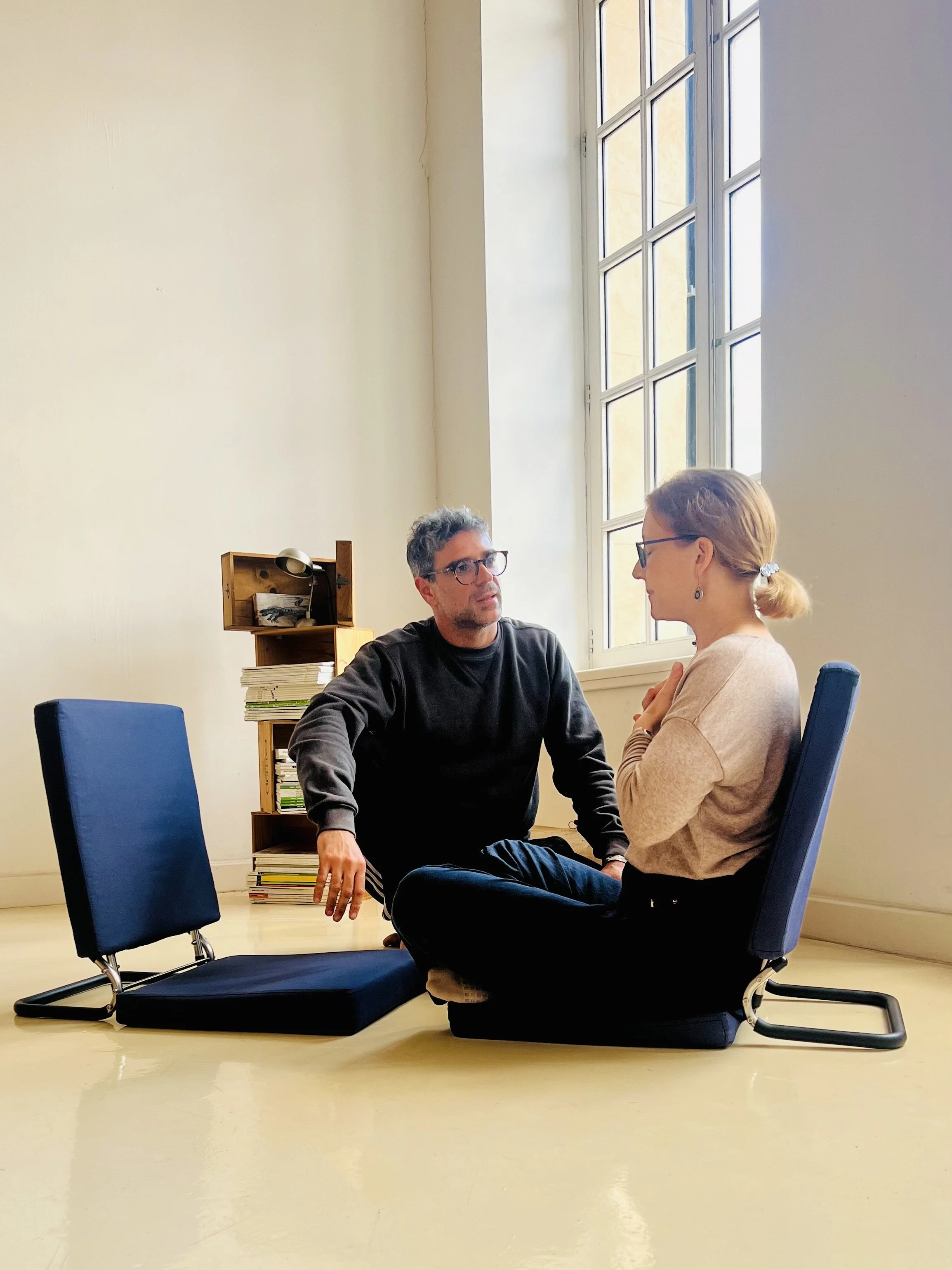
A Hakomi-informed somatic therapy session is a slow, collaborative exploration of your present-moment experience.
Rather than starting from analysis or trying to change something directly, we begin with what is already here — thoughts, emotions, bodily sensations, and relational responses as they arise in the moment.
As we slow down together, we may begin to notice subtle patterns in how you experience yourself and your world. These are not something we need to interpret or figure out immediately, but something we can gently stay with and explore.
My role is to support this process through presence, reflection, and attunement. At times this may involve gentle guidance or invitations to notice specific aspects of your experience. At other times, it may simply be about staying with what is unfolding, allowing space for it to be felt more fully.
Safety and pacing are central. You are always in choice about how deeply we go and what feels right to explore. We move at a pace that respects your nervous system, without pushing beyond what feels manageable.
Over time, this kind of work can support a different relationship to your inner world — one that is less driven by reactivity or automatic patterns, and more informed by awareness and choice in the present moment.
Working in a mindful, relational way
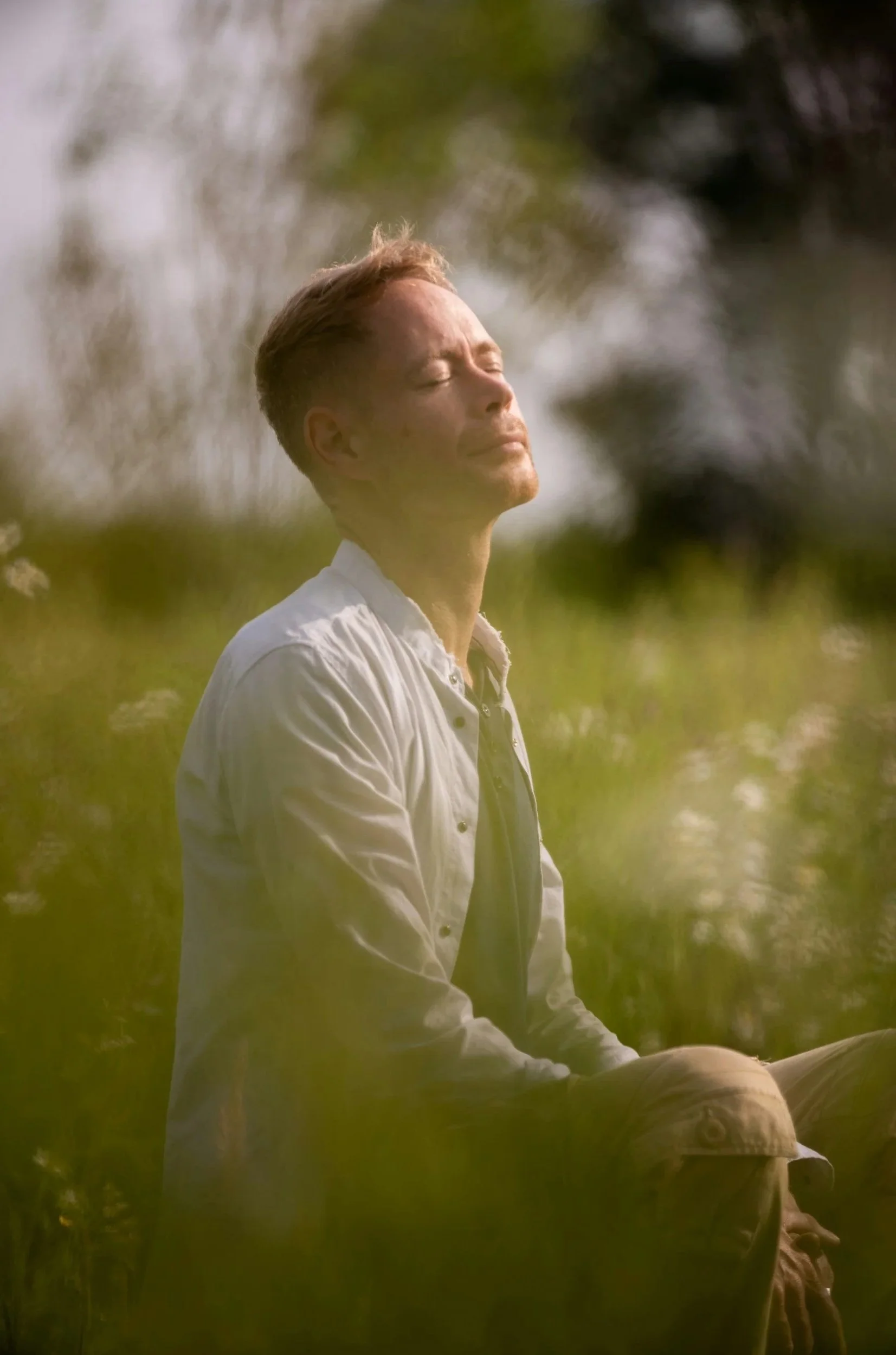
In somatic therapy, the relationship between client and therapist is an important part of the process.
Rather than working in a purely directive or analytical way, sessions are grounded in presence and attunement. This means we pay attention not only to what you are experiencing internally, but also to how it unfolds in relationship — moment by moment, together.
At times, I may gently contact what I notice or invite your attention toward certain aspects of your experience. At other times, we may simply stay with what is present, allowing space for awareness to deepen naturally.
This relational way of working supports a sense of safety and connection, which can make it possible to meet more subtle or previously unattended layers of experience.
There is no need to perform, explain everything clearly, or have insight in advance. The focus is on staying in contact with what is happening as it happens, with care and curiosity.

A Hakomi-Informed Approach
My work is informed by Hakomi, a mindfulness-based somatic psychotherapy apporch that explores how unconscious patterns are organised in the body and nervous system.
Hakomi is based on the understanding that much of our experience happens automatically and beneath conscious awareness, and that these patterns can become more visible through slowing down and bringing gentle attention to present-moment experience.
Rather than trying to change or analyse these patterns directly, we work with them as they appear — through sensations, emotions, impulses, and relational experience — allowing new understanding to emerge from direct contact with what is happening.
In this way, Hakomi provides a foundation for the kind of somatic therapy I offer: slow, relational, and guided by curiosity and awareness rather than force or interpretation.
“It felt like I was meeting myself as a child, but with the kindness I needed back then.”
Practical Details
Locations
🌿 Ōsmos Studio – Amsterdam West
📍 Nassaukade 162/163, 1053 LL Amsterdam
A spacious, professional studio environment, providing a clean, light-filled space for focused exploration.
🌍 Online Sessions
💻 Available worldwide. Working from your own home can offer a deep, uninterrupted space for reflection and presence.
Session Details
Sessions are 60 minutes and offered in both English and Dutch.
The investment is € 150 per session.
A small number of sliding-scale spaces are reserved for those experiencing financial constraints. If this applies to you, you're welcome to mention it when reaching out.
How to Start
The first step is a free 30-minute introduction call.
This is an opportunity for us to connect, explore what brings you here, and see whether this way of working feels supportive for you. You’re welcome to ask questions, share a little about what you're looking for, and get a sense of how I work.
There is no obligation to continue. The call is simply a space to explore whether somatic therapy feels like the right fit for you at this time.
